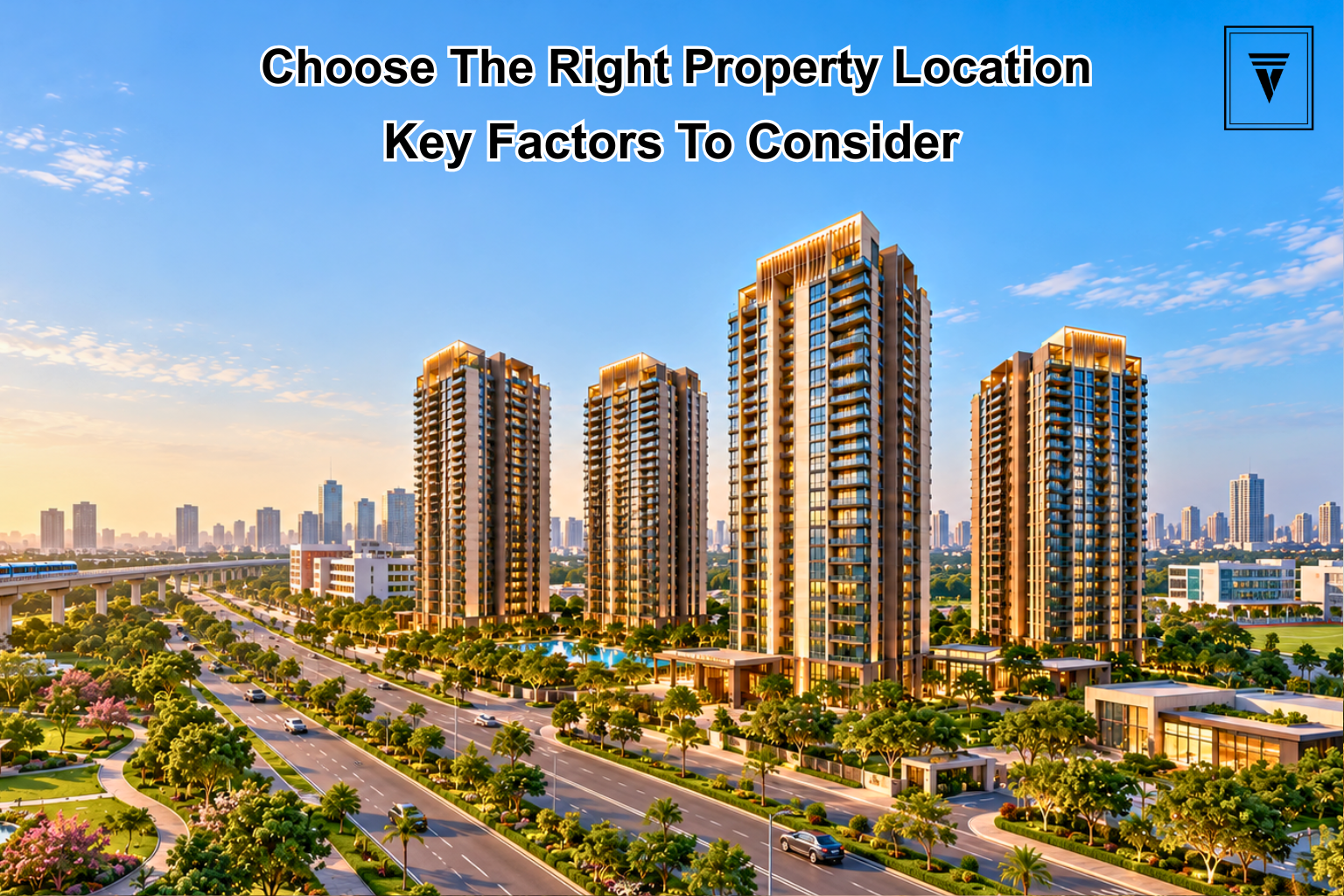
How to Choose the Right Location for Your Property
Choosing the right property is not only about the size, design, amenities or price. Property location selection is equally important because the location can influence daily convenience, connectivity, future development, rental demand and long-term property value.
A well-located property can provide easier access to workplaces, schools, healthcare facilities, shopping destinations and transportation networks. On the other hand, a property in a less-developed location may offer lower entry prices but could require more time to benefit from infrastructure growth.
Whether you are buying a home for self-use or considering real estate as an investment, understanding how to evaluate a location can help you make a more informed decision. With guidance from Vintage Vista, buyers can compare locations, connectivity, infrastructure and other important factors to shortlist properties that align with their requirements.
Why Property Location Matters
Location plays an important role in both the current usability and future potential of a property. Two homes with similar configurations and amenities can have significantly different market values because of their locations.
A good location generally provides convenient access to essential facilities, transportation, employment hubs and social infrastructure. It may also have better prospects for future development and resale demand.
For buyers, the right location should therefore be evaluated based on both present-day convenience and future potential.
Check Connectivity First
Connectivity is one of the first factors to consider when selecting a property location. A well-connected area can make everyday travel easier and reduce commuting time.
Before finalising a property, check its connectivity with:
- Major roads and highways
- Metro stations and public transport
- Airports and railway stations
- Business and employment hubs
- Nearby residential and commercial areas
For example, buyers in Gurgaon often compare locations based on access to major roads, Golf Course Road, Golf Course Extension Road, NH-48, Dwarka Expressway and other important routes.
However, proximity alone should not be the only consideration. Buyers should also check actual travel times during peak hours.
Evaluate Social Infrastructure
A location becomes more practical when important daily-use facilities are available nearby. Social infrastructure can have a direct impact on the convenience of residents and the attractiveness of a locality.
Consider the availability of:
- Schools and educational institutions
- Hospitals and healthcare centres
- Shopping centres and retail markets
- Restaurants and entertainment options
- Parks and recreational facilities
- Banks and essential services
For families, access to schools and healthcare may be particularly important. For working professionals, proximity to offices and transportation may have greater importance.
Look at Employment Hubs
Employment opportunities can influence housing demand in a particular area. Locations situated near established business districts, IT parks, corporate offices and commercial centres may attract professionals looking for convenient housing options.
When evaluating a location, identify major employment hubs within a practical commuting distance.
In Gurgaon, areas connected to major commercial corridors can attract buyers and tenants because of their proximity to corporate offices and business centres.
This does not guarantee future price appreciation, but employment connectivity can be one of the factors supporting residential demand.
Study Existing Infrastructure
Before buying property, examine the infrastructure that already exists around the project.
Check:
- Road quality
- Water supply
- Electricity availability
- Drainage and sewage systems
- Public transportation
- Internet connectivity
- Street lighting
- Waste management
A location may look attractive on a map, but its actual infrastructure can be very different. Visiting the area personally can help buyers understand the surroundings better.
Research Upcoming Infrastructure
Current infrastructure is important, but future development can also influence the long-term attractiveness of a location.
Research proposed or under-development projects such as:
- New roads
- Metro extensions
- Flyovers
- Expressways
- Commercial developments
- Business parks
- Schools and hospitals
- Retail and entertainment centres
However, buyers should distinguish between announced, approved, under-construction and operational infrastructure. Do not base a purchase decision only on an unconfirmed future project.
Official government authorities and project documents can be useful sources for verifying infrastructure-related information.
Compare Property Prices in the Area
Price comparison is another important part of property location selection.
Instead of looking at one project in isolation, compare similar properties in nearby locations. Consider:
- Price per square foot
- Total purchase cost
- Property size
- Configuration
- Amenities
- Age of the property
- Maintenance costs
- Parking
- Location advantages
A lower-priced property is not automatically better value, while a higher-priced property is not automatically overpriced. The comparison should consider what you are receiving for the total cost.
Consider Rental Demand
If you are purchasing a property as an investment, rental demand can be an important consideration.
Look at whether the location is close to:
- Corporate offices
- IT and business hubs
- Universities
- Hospitals
- Metro stations
- Major transportation routes
You should also compare existing rental rates for similar properties in the area.
Rental demand can vary depending on property configuration, furnishing, accessibility and local tenant preferences, so it is useful to compare multiple properties rather than relying on general assumptions.
Check Future Development Potential
Some locations are already well-developed, while others are undergoing rapid infrastructure and commercial growth.
When evaluating a developing area, research:
- Planned infrastructure
- New residential projects
- Commercial development
- Employment opportunities
- Population growth
- Transportation improvements
- Availability of essential services
Future development can improve the overall usability of an area, but it can also take several years. Buyers should therefore consider their investment horizon before relying heavily on future growth.
Visit the Location Personally
Online research is useful, but it should not replace a physical site visit.
Visit the property and surrounding locality at different times of the day if possible. Check traffic, accessibility, noise levels, nearby construction activity and the condition of surrounding roads.
During the visit, observe:
- Approach roads
- Neighbourhood cleanliness
- Traffic conditions
- Nearby buildings
- Construction activity
- Public transport
- Shops and daily-use facilities
- Overall surroundings
A site visit can reveal practical details that may not be obvious from brochures or online maps.
Check Safety and Neighbourhood Quality
The surrounding neighbourhood can influence both living experience and future demand.
Look at factors such as street lighting, road conditions, accessibility, nearby development and general activity in the area.
Families may also want to check the distance to schools, hospitals, parks and other everyday facilities.
Instead of relying only on marketing descriptions, buyers should personally inspect the locality and speak with residents or nearby businesses where appropriate.
Verify Legal and RERA Details
Location should be evaluated along with the project’s legal and regulatory information.
For a new residential project, buyers should verify relevant details such as:
- RERA registration
- Developer information
- Project approvals
- Land-related documentation
- Possession details
- Payment schedule
- Applicable charges
RERA information can be checked through the relevant state RERA authority. Buyers should also review the project’s official documents before making financial commitments.
Think About Your Long-Term Needs
The right location depends on the buyer’s individual requirements.
For example, a working professional may prioritise office connectivity, while a family may focus more on schools, healthcare and neighbourhood facilities.
Before choosing a location, ask yourself:
- Where will I work or spend most of my time?
- Do I need metro or public transport access?
- How important are schools and hospitals?
- Am I buying for self-use or investment?
- How long do I plan to hold the property?
- Do I need strong rental demand?
- Will the location suit my future lifestyle?
Work With a Property Advisor
Property buyers often have to compare multiple projects, locations, price points, configurations and payment plans before making a decision.
A trusted property advisor in Gurgaon can help buyers shortlist relevant projects, compare locations, understand available configurations and arrange site visits. The advisor can also help buyers review project information and identify factors that deserve further verification.
At Vintage Vista, the approach focuses on project shortlisting, property comparisons, verified project information, site visits and practical market insights so buyers can evaluate properties with greater clarity.
Final Thoughts
Choosing the right location is one of the most important parts of buying a property. A suitable location should not be judged only by its current price or proximity to one major road.
Instead, evaluate connectivity, social infrastructure, employment hubs, existing infrastructure, future development, property prices, rental demand, neighbourhood quality and legal information together.
For buyers exploring Gurgaon or other real-estate markets, taking time to compare locations and visiting shortlisted properties can make the buying process more informed and structured. The goal should be to find a location that fits your budget, lifestyle, investment horizon and long-term requirements.
.png)
.png)
.png)
.png)
.png)
.png)
.png)
.png)
.png)
.png)
.png)
.png)
.png)
.png)
.png)
.png)
.png)
.png)
.png)
.png)
.png)
.png)
.png)
.png)
.png)
.png)
.png)
.png)
.png)
.png)
