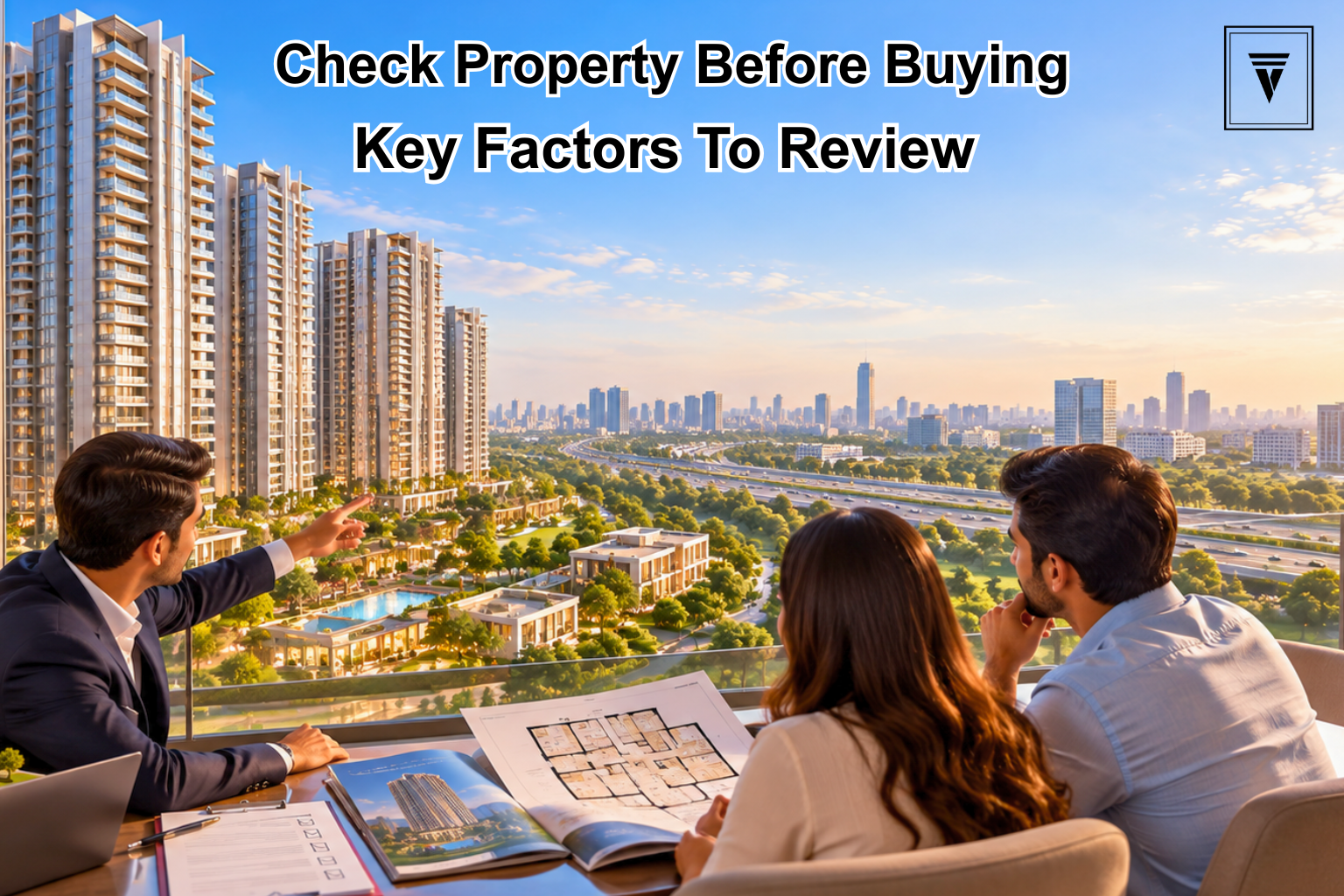
How to Check a Property Before Making a Purchase
Buying a property is a major financial commitment, so buyers should evaluate more than just the advertised price, apartment size or list of amenities. A proper property purchase checklist can help you assess whether a property actually matches your budget, lifestyle and long-term requirements.
From checking the neighbourhood and project surroundings to comparing specifications, understanding costs and visiting the property, each step can provide useful information before you make a purchase decision. With support from Vintage Vista, a trusted channel partner, buyers can also compare shortlisted projects, understand key property details and approach the purchase process with greater clarity.
Start With Your Requirements
Before checking individual properties, define what you actually need from the purchase.
Consider:
- Preferred location
- Property type
- Required configuration
- Budget range
- Preferred size
- Lifestyle requirements
- Workplace or business location
- Expected holding period
- Self-use or investment purpose
For example, a buyer looking for a family home may prioritise schools, healthcare and daily convenience, while an investor may pay more attention to rental demand, future development and resale prospects.
Having clear requirements makes it easier to filter properties instead of comparing every available project in the market.
Check The Location
The property itself may be excellent, but the surrounding location can significantly affect everyday convenience.
During your initial research, check the property’s proximity to:
- Major roads
- Public transportation
- Metro stations
- Schools
- Hospitals
- Shopping destinations
- Employment hubs
- Restaurants and daily-use stores
- Parks and recreational spaces
Do not judge connectivity only by the distance shown on a map. Check actual travel times, especially during peak traffic hours.
For buyers considering Gurgaon, connectivity between residential sectors and major business corridors can be particularly relevant because daily commuting can vary significantly depending on the route and time of travel.
Study The Surrounding Area
Look beyond the project’s boundary.
A property may offer premium amenities inside the development, but the surrounding neighbourhood also contributes to the overall living experience.
During your research, check:
- Road conditions
- Nearby construction
- Traffic movement
- Drainage
- Street lighting
- Neighbouring developments
- Commercial activity
- Green spaces
- General cleanliness
A daytime visit can show one side of the locality. If possible, visiting at different times can provide a better understanding of traffic, noise and overall activity.
Understand The Developer
The developer’s background can provide useful context when evaluating a project.
Research the developer’s:
- Previous projects
- Delivery history
- Project locations
- Construction quality
- Customer reviews
- Maintenance standards
- Reputation for post-possession services
For a new or under-construction project, also look at the developer’s experience with similar developments.
Past performance does not guarantee future outcomes, but it can form part of your overall assessment.
Check The Actual Property Size
Buyers should understand exactly what area they are paying for.
Depending on the project and transaction, terms such as carpet area, built-up area and saleable or super built-up area may be used.
Ask for a clear breakdown of:
- Carpet area
- Built-up area
- Balcony or terrace area
- Common areas
- Parking area
- Total saleable area
The apartment’s usable space may be significantly different from the headline area mentioned in marketing material.
Review The Floor Plan
A larger apartment does not automatically mean better usability.
Study the floor plan carefully and look at:
- Room proportions
- Passage space
- Window placement
- Natural light
- Ventilation
- Kitchen layout
- Utility areas
- Balcony access
- Storage possibilities
- Privacy between bedrooms
Think about how your furniture and everyday activities will fit into the space.
For under-construction properties, compare the floor plan with the specifications and project information provided by the developer.
Visit A Sample Apartment Or Actual Unit
Pictures and brochures can help with initial research, but a physical visit provides a different perspective.
During the visit, check:
- Room dimensions
- Ceiling height
- Natural light
- Ventilation
- Window views
- Finishing quality
- Flooring
- Doors and fittings
- Kitchen and bathroom finishes
- Electrical points
- Storage space
If the actual apartment is unavailable, ask whether a sample apartment or completed unit with similar specifications can be inspected.
Examine Construction And Finishing Quality
For a ready property, buyers can physically inspect construction and finishing.
Look for:
- Wall cracks
- Dampness
- Water leakage
- Uneven flooring
- Door and window alignment
- Bathroom drainage
- Plumbing fixtures
- Electrical fittings
- Paint and surface quality
For under-construction projects, buyers should review the construction stage and compare the visible progress with the communicated project schedule.
A qualified professional inspection can be considered for a more detailed technical assessment, particularly for high-value purchases.
Check Amenities That You Will Actually Use
A project may advertise a long list of amenities, but buyers should consider their actual relevance.
Instead of simply counting amenities, check:
- Size of the clubhouse
- Quality of recreational spaces
- Swimming pool
- Gym
- Children’s areas
- Sports facilities
- Walking paths
- Green spaces
- Community areas
- Security facilities
Also check whether the advertised amenities are operational, under construction or proposed.
The cost of maintaining large amenities can also affect future monthly expenses.
Understand Parking Arrangements
Parking can be an important practical consideration, especially for families with multiple vehicles.
Ask about:
- Number of parking spaces
- Parking type
- Parking location
- Visitor parking
- EV charging provisions
- Parking allocation process
Do not assume that a parking space is automatically included in the advertised property price. Confirm the applicable terms in writing.
Calculate The Complete Purchase Cost
The advertised property price is not always the final amount you will pay.
Prepare a complete cost estimate that considers applicable charges such as:
- Base property price
- Floor-rise charges
- Preferential location charges
- Parking charges
- Club or amenity charges
- Infrastructure charges
- Maintenance-related charges
- Registration and stamp duty
- Taxes, where applicable
- Other transaction-related expenses
The exact charges depend on the project, transaction and applicable laws.
Comparing the total acquisition cost rather than only the base price can provide a clearer picture of affordability.
Check Payment Terms
Understand how and when payments need to be made.
Review:
- Booking amount
- Payment schedule
- Construction-linked payments
- Possession-linked payments
- Cancellation terms
- Delay-related provisions
- Additional charges
- Financing requirements
Make sure the payment schedule fits your cash-flow position.
If you are taking a home loan, consider the expected loan amount, interest cost, down payment and associated expenses before finalising the property.
Evaluate Maintenance Costs
Monthly or annual maintenance costs can affect the long-term affordability of a property.
Ask about:
- Maintenance charges
- Clubhouse charges
- Parking maintenance
- Common-area expenses
- Sinking or reserve funds, where applicable
- Additional facility charges
Luxury developments with extensive facilities may have different maintenance requirements compared with simpler residential communities.
Check Rental And Resale Potential
If the property is being considered as an investment, look beyond the current purchase price.
Research:
- Rental rates for comparable properties
- Tenant demand
- Vacancy levels
- Nearby employment hubs
- Upcoming infrastructure
- Supply of competing properties
- Resale activity
Rental and resale performance can vary over time, so buyers should avoid relying solely on projected returns provided in marketing material.
Verify Project Status
For an under-construction property, understand exactly where the project stands.
Check:
- Construction progress
- Expected completion timeline
- Current development stage
- Available inventory
- Applicable approvals
- RERA-related information
For a ready property, check whether the relevant completion and occupancy requirements have been fulfilled.
Always compare the information provided by the seller or developer with appropriate official records wherever possible.
Ask Questions During The Site Visit
A site visit should not only be about seeing the apartment.
Prepare questions in advance, such as:
- What is the exact apartment area?
- What is included in the quoted price?
- Which amenities are operational?
- What are the maintenance charges?
- What is the possession timeline?
- How many parking spaces are provided?
- What are the payment terms?
- Are there additional charges?
- What are the applicable cancellation terms?
Taking notes during each visit can make it easier to compare multiple projects later.
Avoid Making A Decision Under Pressure
Property sales can sometimes involve limited-period offers, booking deadlines or inventory-related urgency.
Before paying a booking amount, take enough time to review the commercial terms, project information and relevant documentation.
Do not let a short-term offer replace proper evaluation.
A property should fit your requirements and financial planning rather than being selected only because of a temporary promotion.
Create Your Own Property Purchase Checklist
Before finalising a property, review the following:
- Does the location fit your daily routine?
- Is the neighbourhood suitable for your lifestyle?
- Does the property meet your size requirements?
- Is the floor plan practical?
- Have you visited the property or sample unit?
- Have you compared nearby projects?
- Have you calculated the complete purchase cost?
- Are the payment terms manageable?
- Have you checked maintenance expenses?
- Have you reviewed project status?
- Have you considered rental or resale requirements?
- Have you independently verified important project information?
- Have you taken professional advice where necessary?
If several important questions remain unanswered, it may be worth conducting further research before proceeding.
How Vintage Vista Can Help
Finding and comparing properties can become complicated when buyers have multiple projects, configurations, price points and locations to evaluate.
As a channel partner and property advisor in Gurgaon, Vintage Vista can help buyers with project shortlisting, property comparisons, site visits and relevant project information. This can help buyers organise their options and evaluate properties based on their own requirements.
Buyers should still conduct independent verification of legal, financial and regulatory information and take professional advice wherever required.
Final Thoughts
A property purchase checklist should involve more than checking the apartment’s appearance or comparing its advertised price. Buyers should evaluate the location, neighbourhood, developer, property layout, construction quality, amenities, total cost, payment structure and long-term requirements before making a decision. Following a property purchase checklist can help buyers review these factors systematically and avoid overlooking important details during the buying process.
Using a structured property purchase checklist can make the evaluation process more organised and reduce the chances of overlooking important details.
Taking time to visit the property, compare alternatives and verify relevant information can help buyers move towards a purchase that is better aligned with their budget, lifestyle and long-term plans.
.png)
.png)
.png)
.png)
.png)
.png)
.png)
.png)
.png)
.png)
.png)
.png)
.png)
.png)
.png)
.png)
.png)
.png)
.png)
.png)
.png)
.png)
.png)
.png)
.png)
.png)
.png)
.png)
.png)
.png)
