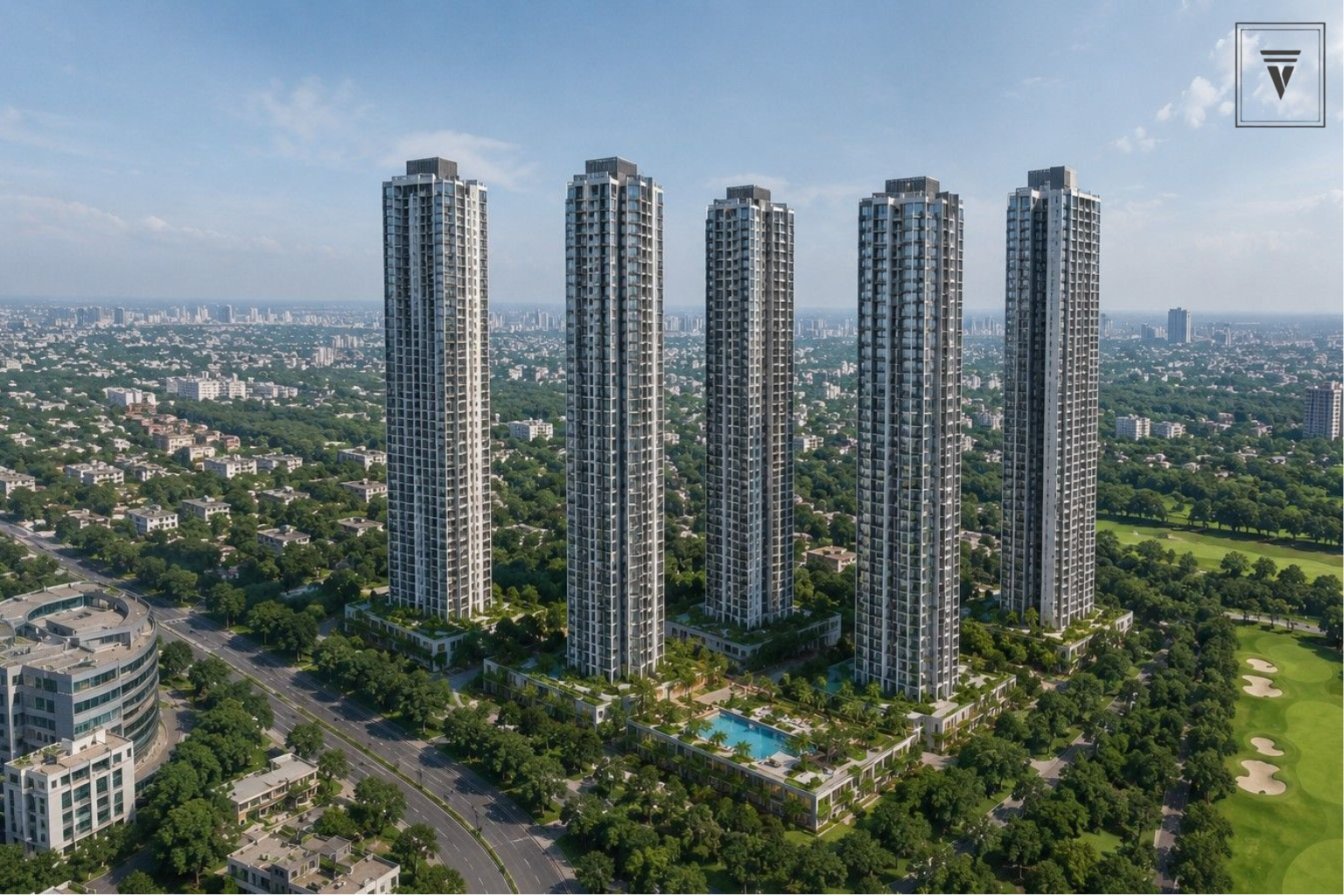
Godrej Samaris Sector 53: Investment Potential, Benefits and Risks
Investing in a residential property requires more than choosing a reputed developer or an attractive location. Buyers should evaluate the purchase price, connectivity, surrounding infrastructure, apartment specifications, future demand, and potential risks before committing their money. For those exploring premium residential properties in Gurgaon, Godrej Samaris in Sector 53 is a project worth assessing through these factors.
Sector 53 is associated with the established Golf Course Road corridor, which attracts homebuyers seeking access to business districts, lifestyle destinations, and urban conveniences. However, a property’s location alone does not guarantee capital appreciation or strong rental returns. Investors must examine the project’s official details, compare competing properties, and understand the total cost of ownership.
This guide explores the potential benefits, investment considerations, and risks buyers should assess before considering Godrej Samaris Sector 53 Gurgaon.
1. Understanding Godrej Samaris Gurgaon
Godrej Samaris Gurgaon is positioned as a premium residential development in Sector 53. However, buyers should evaluate its investment potential by examining the surrounding residential market, the developer’s documented commitments, and the quoted price of the specific apartment.
Before making a decision, buyers should obtain the latest official project brochure and price list to confirm the following details.
| Project detail | What buyers should verify |
|---|---|
| Project name | Godrej Samaris |
| Location | Sector 53, Gurgaon |
| Developer | Confirm through official project documents |
| Project status | Verify whether the project is pre-launch, launched, under construction, or completed |
| Apartment configurations | Confirm available unit types |
| Apartment sizes | Verify carpet area and saleable area |
| Pricing | Obtain the latest unit-specific price list |
| Amenities | Check the approved and committed facilities |
| RERA registration | Verify the applicable registration and project details |
| Possession timeline | Check the officially documented schedule |
Buyers should not rely solely on promotional material when evaluating these details. Official documentation can help them distinguish confirmed specifications from indicative information.
2. Why Sector 53 May Interest Property Investors
Location is one of the most important factors influencing a property’s long-term desirability. Sector 53 benefits from its association with the Golf Course Road corridor, an area that connects residential neighbourhoods with commercial destinations and urban services.
For buyers, the practical value of this location depends on access to workplaces, public transport, healthcare, schools, shopping destinations, and everyday conveniences.
Before investing in Godrej Samaris, buyers should assess:
- Workplace connectivity: Check actual routes to major employment hubs and business districts.
- Road access: Evaluate access to Golf Course Road and the surrounding road network.
- Public transport: Check the distance to the nearest operational metro station and other transport options.
- Daily conveniences: Assess nearby grocery stores, healthcare facilities, schools, and retail destinations.
- Traffic conditions: Visit the area during peak hours to understand actual commute times.
A well-connected location may appeal to both end users and tenants. However, buyers should verify travel times and nearby facilities rather than relying on broad location claims.
3. Potential Investment Benefits of Godrej Samaris Gurgaon
A. Location and residential demand
Sector 53 benefits from its location along the Golf Course Road corridor, making it an attractive option for professionals and families seeking convenient access to established urban infrastructure. Moreover, the area’s connectivity and surrounding facilities may appeal to potential homebuyers and tenants. However, rental demand and resale prospects will ultimately depend on factors such as apartment pricing, layout, specifications, and overall market conditions.
Investors should examine recent comparable transactions and current rental listings to determine whether the market supports the asking price.
B. Potential appeal to premium homebuyers
Premium residential buyers often evaluate more than apartment size. They may consider privacy, layout efficiency, building quality, common facilities, parking, security arrangements, and maintenance standards.
If Godrej Samaris delivers the features documented in its official specifications, these factors may influence its appeal to the intended buyer segment. Buyers should verify the actual specifications and compare them with competing developments before assigning additional value to premium features.
C. Potential long-term resale demand
A property may attract future buyers when it combines a suitable location, practical layouts, competitive pricing, and well-maintained common facilities.
However, resale demand depends on the market conditions at the time of sale. Investors should examine comparable resale transactions, available competing inventory, and the likely profile of future buyers instead of assuming that property prices will automatically rise.
D. Developer and project documentation
Buyers may consider the developer’s documented track record, construction commitments, and contractual obligations when assessing project risk.
They should review the legal identity of the project, applicable approvals, RERA records, construction schedule, specifications, and agreement terms. A developer’s reputation can be one consideration, but it does not eliminate project-specific or market risks.
4. What Could Affect Future Property Appreciation?
Investors should avoid relying on a single factor to estimate future appreciation. Several conditions can influence the property’s resale value.
Local demand: Strong demand from end users may support resale activity, while weak demand can increase the time required to sell.
Competing supply: Other residential projects may offer similar configurations, amenities, or locations at different prices. Buyers should compare the alternatives available to future purchasers.
Infrastructure and accessibility: Improvements to roads, transport, and surrounding facilities may affect convenience. Proposed developments should be distinguished from infrastructure that is already operational.
Purchase price: Even a property in a desirable location may deliver disappointing returns if the buyer pays more than comparable properties justify.
Market conditions: Interest rates, household affordability, economic conditions, and the availability of housing finance can influence demand.
Property maintenance: Building upkeep, common-area management, and the condition of shared facilities may affect future buyer interest.
Consider all these factors collectively when evaluating the property. However, remember that no single factor or combination of factors can guarantee a specific resale value or investment return.
5. Rental Income Potential: What Should Investors Check?
Investors considering rental income should assess actual demand for comparable apartments in and around Sector 53.
Start by identifying properties with similar apartment configurations, usable areas, furnishing levels, amenities, and building conditions. Compare their advertised rents, and where possible, seek evidence of completed rentals rather than relying only on asking prices.
Investors should also consider the likely tenant profile. Depending on the apartment and prevailing market conditions, potential tenants may include working professionals, families, or corporate tenants.
To estimate rental yield, use the following formula:
Gross rental yield = Annual rental income ÷ Total property acquisition cost × 100
For a more realistic estimate, subtract recurring expenses such as maintenance charges, repairs, property management costs, periods without a tenant, and other applicable expenses. Financing costs and taxes should also be considered when assessing the investment’s overall financial performance.
Do not assume that a premium property will automatically generate a high rental yield. A higher purchase price can reduce the yield even when the monthly rent appears attractive.
6. Risks Buyers Should Consider Before Investing
A. High initial purchase cost
Premium residential properties may require a substantial upfront investment. The advertised apartment price is only one part of the total acquisition cost.
Buyers should account for applicable taxes, stamp duty, registration, parking, preferential location charges, maintenance deposits, and other documented fees. They should also consider home loan expenses and interior work where applicable.
B. Uncertain future appreciation
No property can guarantee capital appreciation. Market conditions may change, and competing developments may affect resale prices.
Investors should assess conservative scenarios in which prices remain stable, rental demand weakens, or selling takes longer than expected. They should avoid making a purchase that only appears financially viable under an optimistic growth assumption.
C. Rental vacancy and operating costs
A property may remain vacant between tenants or require repairs before a new tenancy begins. Maintenance charges can also reduce net rental income.
Investors should maintain sufficient financial reserves to cover recurring expenses and potential periods without rental income.
D. Project and regulatory risks
Depending on the project’s development stage, buyers may face uncertainty relating to approvals, construction progress, specifications, or possession timelines.
Before paying a booking amount, verify the applicable RERA registration, approved plans, contractual commitments, payment schedule, and refund conditions. Review the agreement carefully and seek independent legal advice where necessary.
E. Liquidity risk
Real estate is not as easily converted into cash as many financial investments. Finding a buyer at the expected price may take time, particularly when competing properties are available or market conditions are weak.
Buyers should consider how long they can hold the property without needing to sell urgently.
7. How to Compare Godrej Samaris With Other Properties
A meaningful comparison should include similar residential projects in Sector 53 and nearby areas. Compare properties using consistent measures rather than relying on headline prices or promotional claims.
| Factor | What to compare |
|---|---|
| Total acquisition cost | Base price and all applicable additional charges |
| Apartment area | Carpet area, saleable area, and layout efficiency |
| Location | Actual commute routes and access to daily services |
| Project status | Construction stage and documented possession timeline |
| Amenities | Confirmed facilities and expected maintenance costs |
| Rental potential | Comparable rents and realistic occupancy assumptions |
| Resale market | Recent comparable transactions, where available |
| Legal documentation | Applicable approvals, RERA records, and agreement terms |
This process helps investors assess whether a property’s asking price reflects its location, specifications, and market alternatives.
8. How to Assess Whether Godrej Samaris Fits Your Investment Goals
The right property choice depends on your investment objectives, available budget, and intended holding period.
Long-term investors: First, assess the total acquisition cost, the area’s existing housing demand, competing residential developments, and your ability to hold the property through market fluctuations. Additionally, consider the property’s long-term resale potential.
Rental-focused investors: Instead, focus on verified rental rates for comparable properties, potential tenant demand, recurring maintenance expenses, vacancy periods, and realistic net rental returns.
Future homebuyers: Consider daily convenience, apartment functionality, maintenance arrangements, and whether the property meets the household’s longer-term needs.
Buyers expecting an early resale: Pay particular attention to transaction costs, resale liquidity, competing inventory, and the possibility that selling may take longer than expected.
Investors should ensure that they do not tie up funds they may need for short-term financial commitments. Ultimately, a property should match their budget, financial stability, and planned investment horizon rather than relying solely on anticipated price appreciation.
9. Questions to Ask Before Buying Godrej Samaris Sector 53
Before making a booking decision, buyers should obtain clear answers to these questions:
- What is the latest official price for the selected apartment?
- What is the carpet area, and how does it compare with the advertised area?
- Which taxes and additional charges apply?
- What approvals and RERA registration details can the developer provide?
- What is the documented construction and possession schedule?
- Which amenities and specifications form part of the official commitments?
- What are the estimated maintenance charges?
- How do comparable apartments perform in terms of resale activity and rental demand?
- What are the cancellation, refund, and payment-default conditions?
- Can the purchase remain financially manageable if appreciation or rental income falls below expectations?
Documenting these answers can help buyers compare options and reduce avoidable uncertainty.
Frequently Asked Questions about Godrej Samaris Sector 53
Is Godrej Samaris Sector 53 a good investment?
Its suitability depends on the verified project details, purchase price, location advantages, rental demand, competing supply, and the buyer’s financial goals. Investors should evaluate these factors before deciding.
Does Sector 53 Gurgaon offer location advantages?
Sector 53 is associated with the Golf Course Road corridor. Buyers should assess actual connectivity, public transport, nearby services, and commute times based on their own needs.
Can buyers expect property appreciation at Godrej Samaris Sector 53?
No specific appreciation rate can be guaranteed. Future prices will depend on market conditions, competing properties, project delivery, demand, and the price paid at purchase.
How can investors estimate rental returns?
First, compare actual rental rates for similar properties in the area. Next, estimate the potential annual rental income and divide it by the total acquisition cost to calculate the gross rental yield. Finally, account for recurring expenses, such as maintenance, property management, and vacancy periods, to assess the likely net rental return.
What documents should buyers verify before booking?
Buyers should check applicable RERA records, approvals, sanctioned plans, the official price list, apartment specifications, payment terms, possession commitments, and the sale agreement. Independent legal review may be appropriate before signing.
Final Thoughts
Godrej Samaris Sector 53 may attract buyers exploring premium residential opportunities along the Golf Course Road corridor. Its investment potential, however, should be assessed through verified project details, the total acquisition cost, comparable property prices, rental evidence, and the risks associated with the development and wider market.
A careful investor should compare alternatives, verify legal documentation, calculate realistic rental returns where relevant, and plan for scenarios in which appreciation is limited or resale takes longer than expected.
At Vintage Vista, our goal is to help readers evaluate residential properties through practical considerations, informed comparisons, and a clear understanding of potential risks. Before investing in Godrej Samaris, confirm the latest official information and ensure that the property aligns with your financial objectives.
.png)
.png)
.png)
.png)
.png)
.png)
.png)
.png)
.png)
.png)
.png)
.png)
.png)
.png)
.png)
.png)
.png)
.png)
.png)
.png)
.png)
.png)
.png)
.png)
.png)
.png)
.png)
.png)
.png)
.png)
